 (57) 3007570957
 EEUUarrow_drop_down
 Colombia
 México
 Perú
News of interest
Autor(a): Marcela Medina / Translated by: FRDA
Total artículos: 5
What is a native tree?
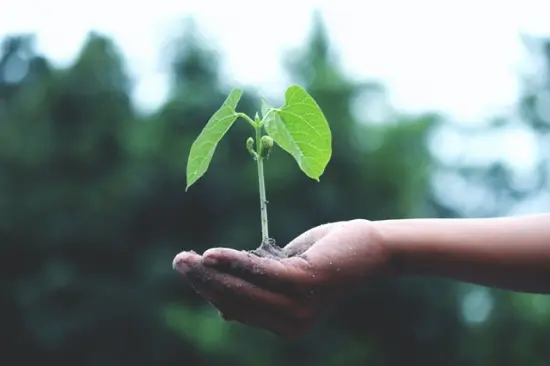
A native species is understood as one that lives in a given area spontaneously and naturally. That is, it is part of the vegetation of a region, is known as its natural habitat, and is not the product of direct or indirect human intervention in the past or present.
The native tree interrelates with the living and inert beings that surround it, and with which it has evolved, allowing multi... Ver más...
MIéRCOLES
09
Mar...
2022
5 strategies for the improvement of green areas
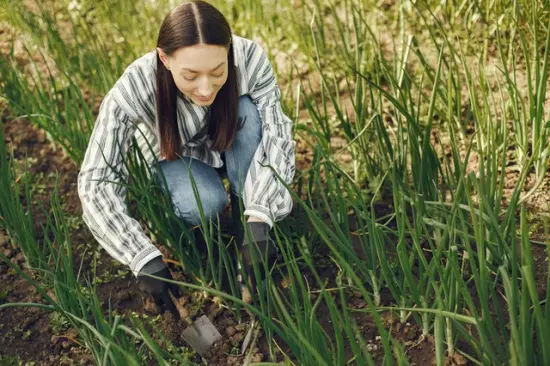
Green areas are spaces used and shared by communities. Urban parks or nature trails that are not managed by the District, the community is called to care for and maintain them. However, not everyone is aware of how to take care of green areas, they need different cares in order not to deteriorate and to keep all their benefits for the enjoyment of the community.
For this reason, at the Red ... Ver más...
What is the impact of a successful environmental offset?
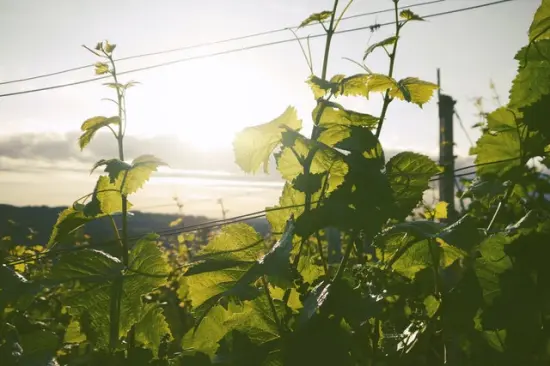
Companies aiming for successful environmental compensation must align themselves with the environmental authority and comply with the obligations that a company incurs when its project affects the environment or increases the deterioration of the landscape. For example, when environmental offsets are made for tree felling. The interveners should guarantee an equal amount of species or more dependi... Ver más...
Advantages of optimal monitoring of planted trees
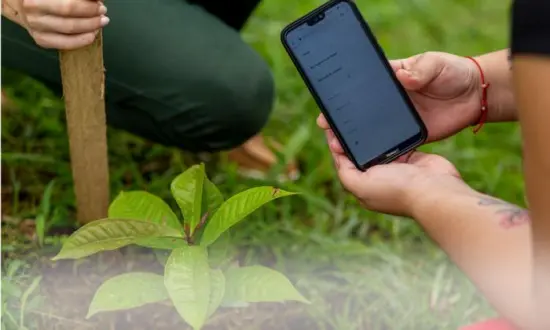
The main advantage of carrying out optimal monitoring of planted trees is that it allows making decisions regarding forestation and conservation of the planting. In addition, it is possible to evaluate how the maintenance protocols are being executed, and it is possible to determine if the objective of the planting was achieved. Because the purpose is not just to go to a property, open a hole and ... Ver más...
Essential steps of a forestry maintenance plan
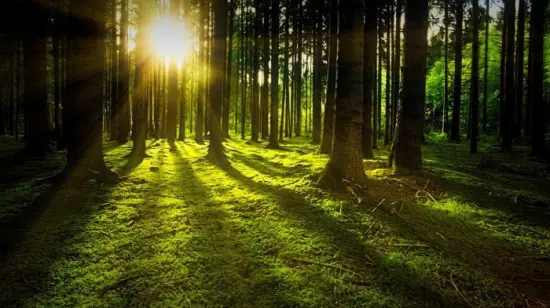
Any action we want to take in nature, such as reforestation planting to convert territory into a forest: new, protective or productive, requires a management plan that, through specific forest maintenance actions, allows these species to survive, develop and fulfill the objective of strengthening the biological richness these forestry interventions are carried out.
Red de Árboles... Ver más...
Artículos destacados
No hay resultados.

Find in Network of Trees
environmental news in Colombia
Let's support the environment, let's support the planet, it's time to sow!Únete a nosotros!


 Fundación
Empresas amigas que nos ayudan: